LED balloon light towers, specified before the order
Tripod balloon lights from 60 to 1400 W, RGBW event balloons in 100 and 200 W, mobile towers with a battery station or a generator, and the floodlights and tripods that go with them. One desk from the site and the shift length to the specification sheet.
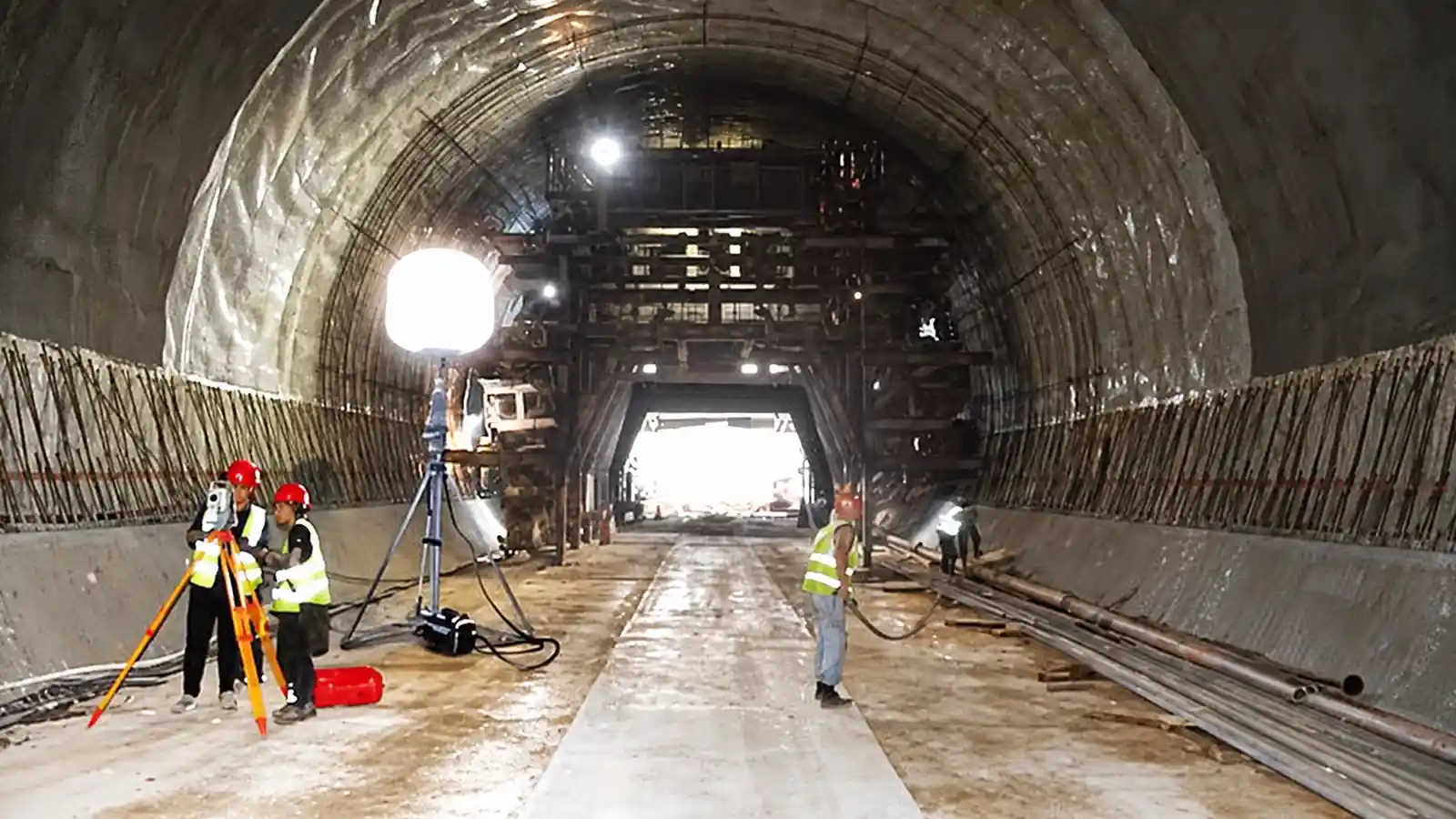
Five lines, ten builds
Every line shares the same lamp family, the same tripods and the same power options. What changes is the shape of the light: spread over an area, aimed at a target, or carried on a cart.
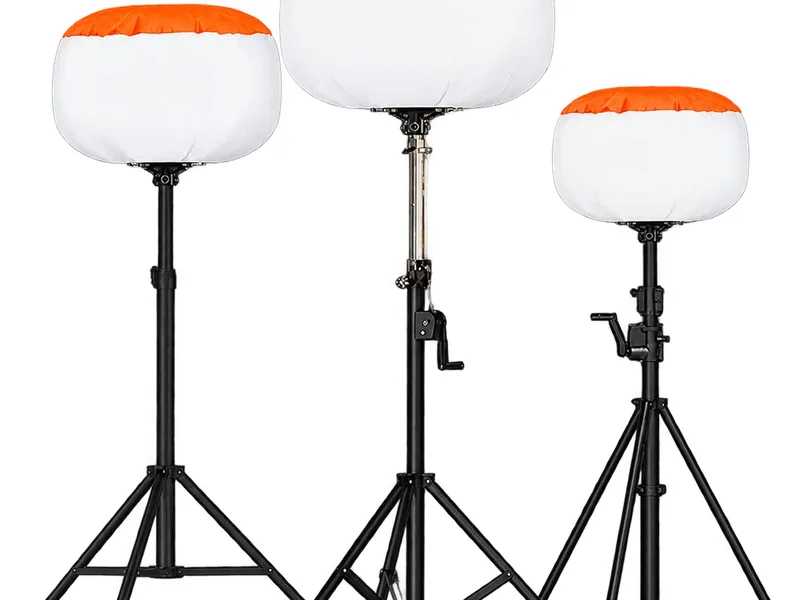 Site lightingTripod balloon lights
60 to 1400 W on a folding tripod, 9,600 to 224,000 lm, one person to set up.
60-1400 W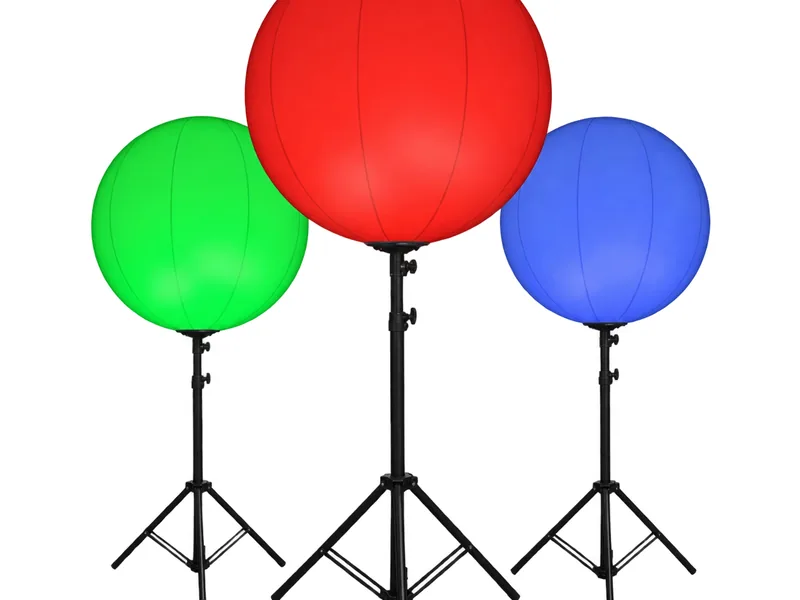 Event lightingRGBW balloon lights
RGB and 3000 K white in one 100 cm or 130 cm balloon, remote and DMX control.
100/200 W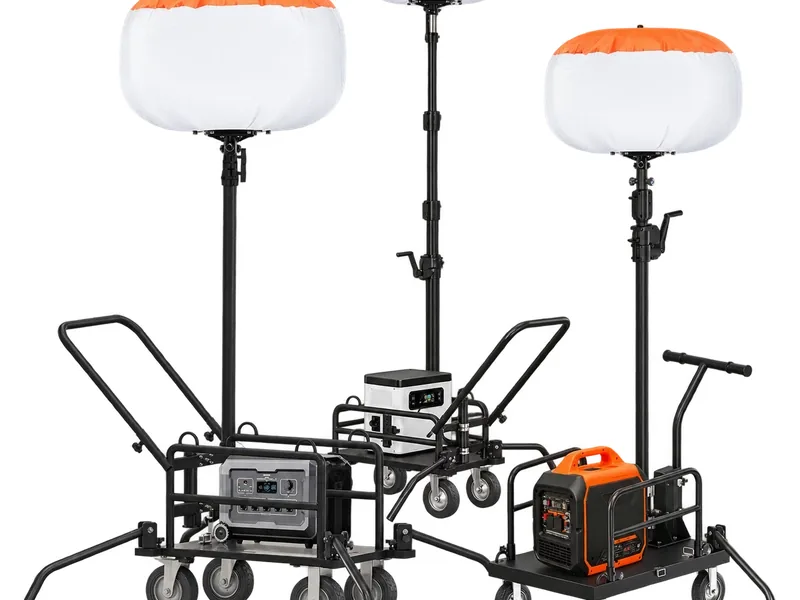 Off gridMobile light towers
Lamp, mast and power on one braked cart, battery station or petrol generator.
Battery or petrol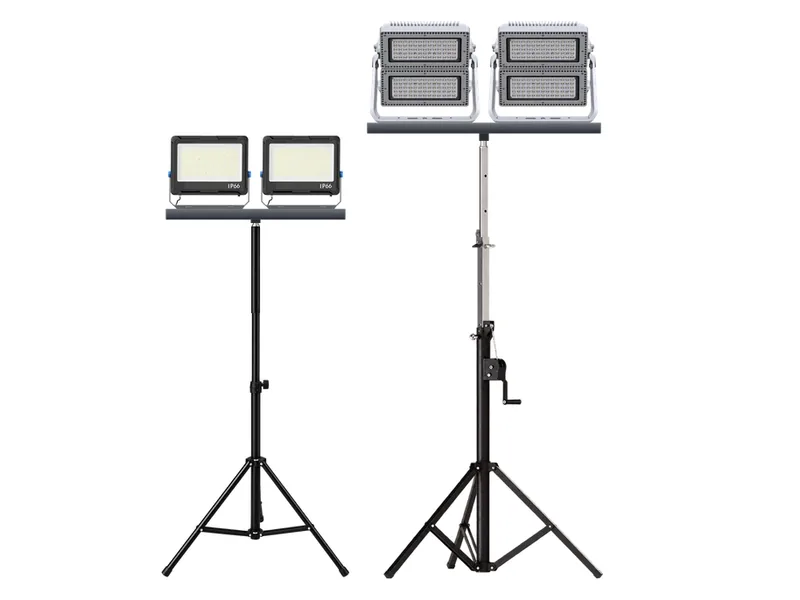 DirectionalPortable floodlights
200 to 1500 W of aimed light, IP66 heads, 150 lm/W, symmetric or asymmetric.
200-1500 W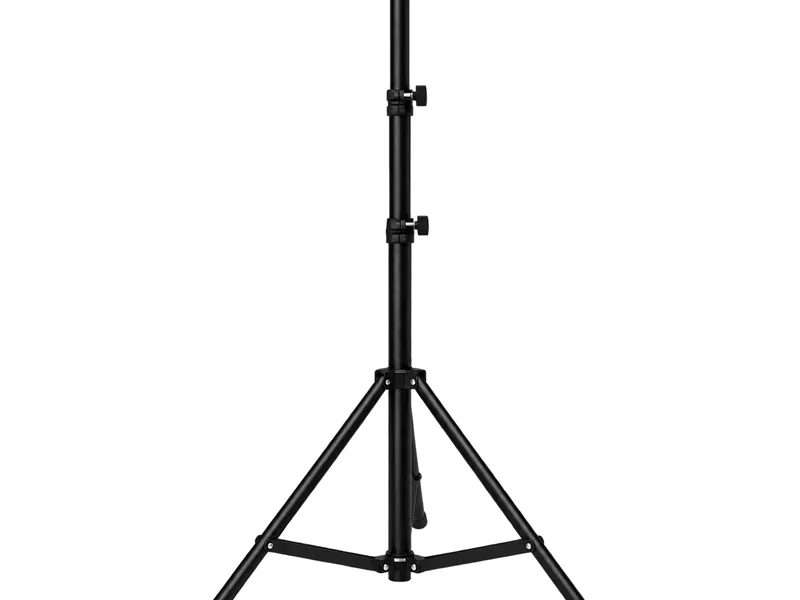 Spares and mountsAccessories
Tripods to 4.8 m, power stations, filters, diffusers and carry bags.
Tripods and powerTwo metal halide lamps against one LED balloon head
The comparison that decides most tower replacements, using published lumen figures for both lamp types.
| Item | Two 1,000 W metal halide | One 1,400 W LED balloon |
|---|---|---|
| Light output | About 220,000 lm | 224,000 lm |
| Lamp power | 2,000 W, plus ballast loss | 1,400 W |
| Time to full output | Several minutes | Instant |
| Relamp | Every lamp, on a schedule | No lamp to replace |
| Glare | Two bright points, hard shadow | Soft area, no hard shadow |
| Ballast | Required per lamp | Built into the driver |
| Service life | Lamp hours, then a replacement | 5 year warranty on the lamp |
The metal halide figure is the reference number used for tower comparisons: about 110,000 lm per 1,000 W lamp. The LED output is the rated figure for the 1400 W head.
Two drawings buyers ask for
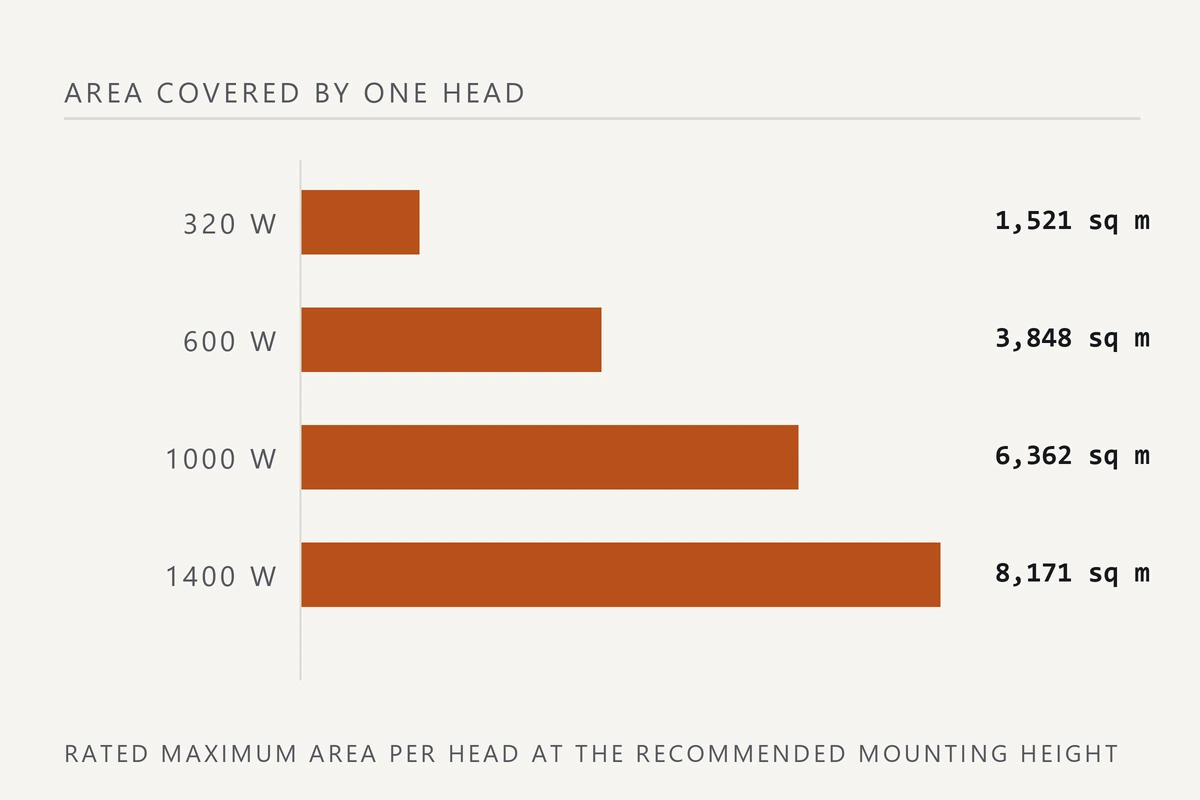
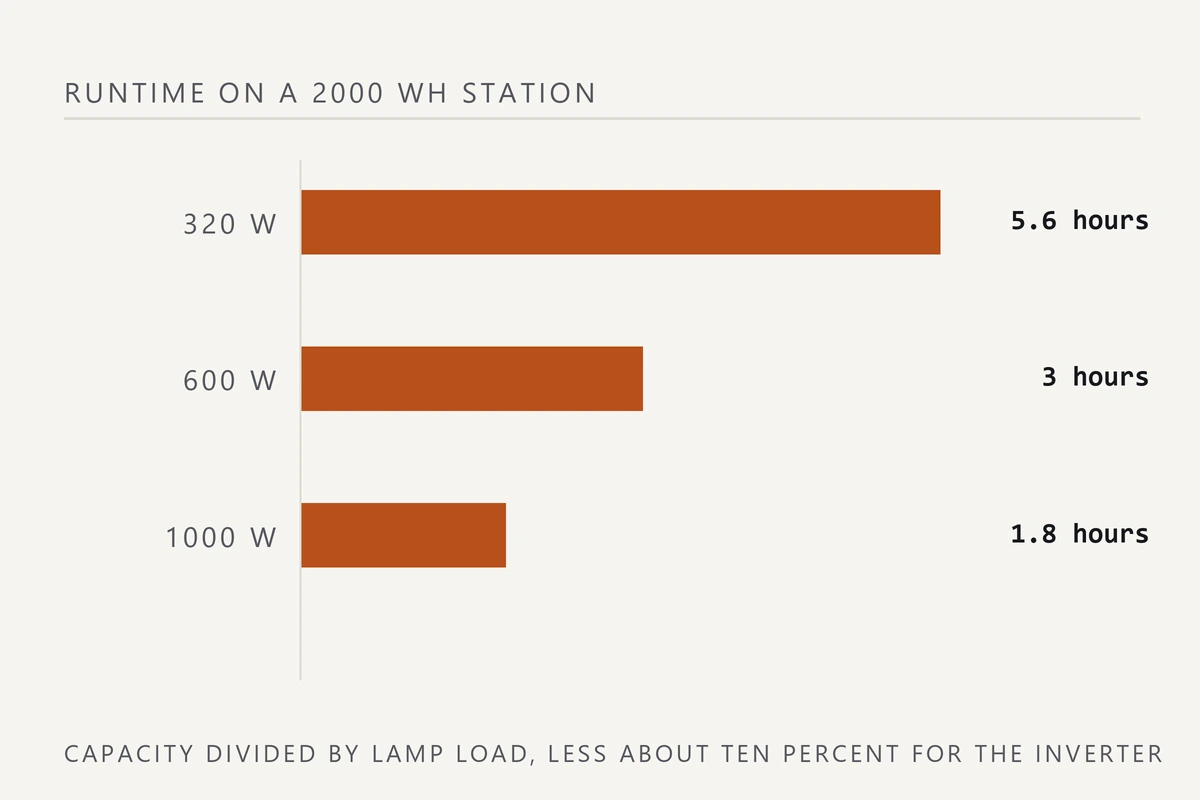
Coverage against wattage, and runtime against lamp size. Both are arithmetic from the specification tables, drawn so the shape of the answer is visible.
What people actually buy
A starting point from the projects quoted here. The site and the power decide the rest.
| Where it is used | Line and build | Why | What to check |
|---|---|---|---|
| Road patching | Tripod, 320 to 1000 W | One person sets up, soft light on the lane | Tripod wind rating, lux target |
| Emergency response | Tripod or mobile, 1000 to 1400 W | Deploys in minutes, no warm up | Power at the scene, mast load |
| Night shift on a moving job | Mobile, battery or generator | The light moves with the work | Shift length, recharge window |
| Tunnel and indoor work | Mobile, battery | No exhaust where people work | Runtime on the lamp actually used |
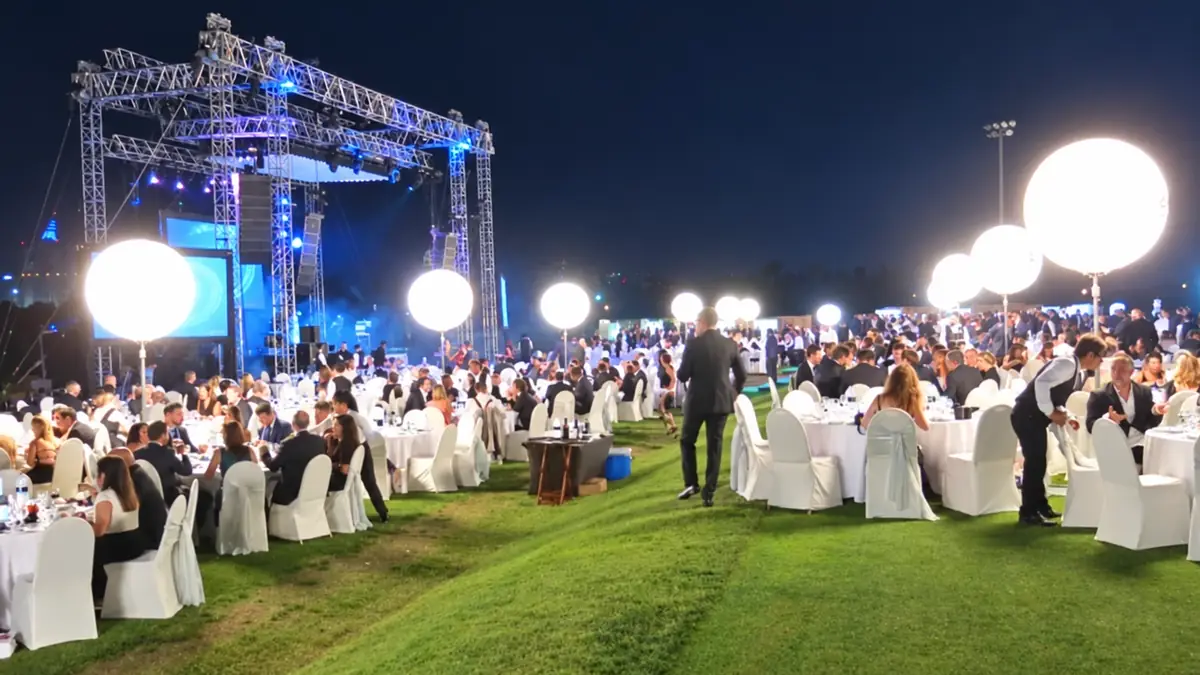
| Weddings and events | RGBW, 100 or 200 W | Colour and warm white, silent | DMX, headroom, wind |
| Sign, bridge, long approach | Floodlight, 500 to 1500 W | Aimed light with a long throw | Beam angle, mast rating |
From brief to first shipment
Five steps. A single head and a fleet follow the same sequence.
- 01Site and task
What is being lit, to what level, for how many hours, and what power is available.
- 02Head and mount
Wattage from the coverage, then the tripod, mast or cart that carries it inside its rating.
- 03Power
Mains, station or generator, sized on the continuous load rather than the peak.
- 04Sample and documents
A sample unit to test on site, with the specification sheet and the photometric file.
- 05Production and spares
The order, plus the filters, diffusers and feet that keep the fleet running.
What is published, what is quoted
A page that answers every number is usually inventing some of them.
| Item | On this site | From us |
|---|---|---|
| Product specifications | Wattage, lumens, balloon size, IP rating | Current sheet, revision dated |
| Photometric data | Coverage and efficacy figures | IES file per head, on request |
| Price | Not published | Quoted per build, quantity and destination |
| Minimum order | One unit per model | Confirmed per model |
| Plant size, headcount, capacity | Not published and not claimed | Audit pack on request |
Four answers before the email
What is an LED balloon light?
A bare LED array inside an inflated fabric diffuser, on a tripod, mast or cart. The diffuser spreads the output over its whole surface, so the area is lit evenly with no hard shadow and no bright point to look into.
How much area does one head cover?
A 60 W head is rated for 452 m² and a 1400 W head for 8,171 m², at the recommended mounting height. The lux the task needs decides the real number, so ask for the target level before the wattage.
Is IP54 enough outdoors?
IP54 covers dust and splashing water, which is what a site head meets in rain and on a dusty job. It is not a submersion or a storm rating. The floodlight heads are IP66 for water jets and wash-down.
Battery or generator?
Below about 600 W a battery station covers a shift and runs silently. Above it the runtime is too short and a generator or mains supply is the honest answer. Many sites use a generator to charge a station during the day and the station at night.
Start with the site and the shift, not the brochure.
The area to light, the hours it has to run, and the power available is enough. The reply is a head, a mount and a specification sheet.